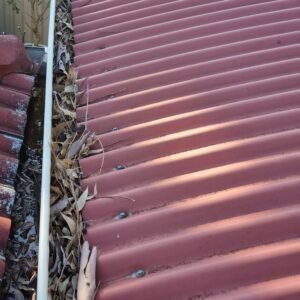
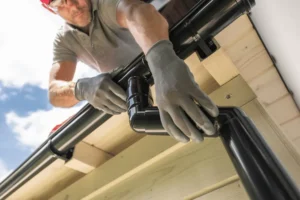
Gutters play a vital role in maintaining the structural integrity of any residential or commercial property, making services like Gutter Cleaning Perth essential for long-term protection. While they may appear to be a simple addition to the roofline, their function extends far beyond aesthetics. A properly installed and well-maintained gutter system protects your roof, walls, foundation, and interior spaces from water damage. Without gutters, rainwater can accumulate around the building, leading to serious issues such as leaks, mold growth, and even structural instability.
Understanding the importance of gutters and how they function can help property owners make informed decisions about maintenance, upgrades, and repairs. This article provides a detailed, research-backed explanation of how gutters prevent water damage and why they are essential for long-term property protection
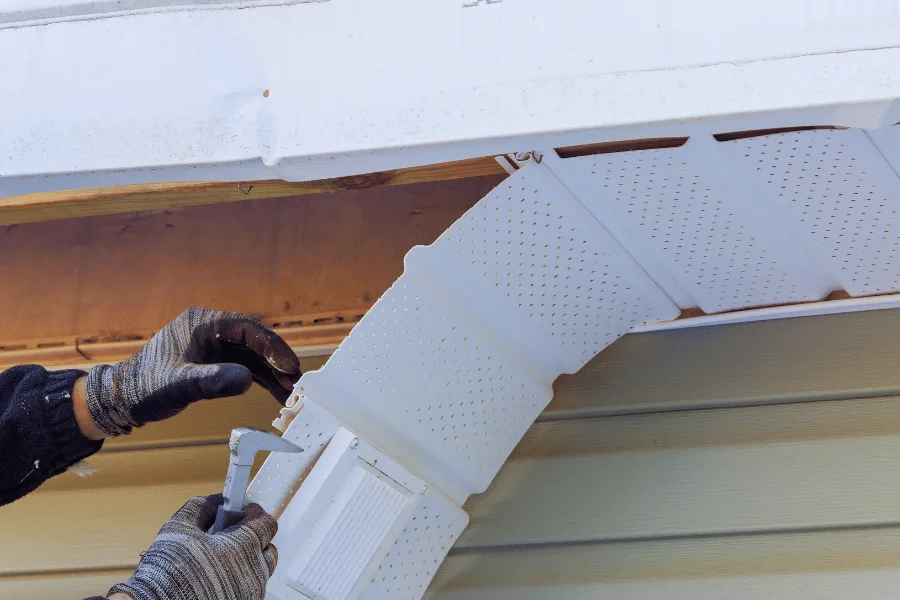
The Role of Climate and Seasonal Changes on Gutter Performance
Climate and seasonal variations significantly impact how effectively gutters perform throughout the year. In regions with heavy rainfall, gutters must handle large volumes of water quickly, making proper sizing and downspout placement essential. During autumn, falling leaves and debris can clog gutters, increasing the risk of overflow and water damage. In winter, freezing temperatures may cause ice buildup, leading to blockages and added weight that can strain or detach the system. Even in warmer climates, dust, pollen, and occasional storms can affect gutter efficiency. Understanding these seasonal challenges allows homeowners to adjust their maintenance routines accordingly, ensuring gutters remain functional year-round and continue to protect both the roof and interior from water-related issues.
Understanding How Gutters Work
Gutters are designed to collect rainwater from the roof and direct it away from the building safely. When rain falls, it flows down the slope of the roof and enters the gutter channels installed along the edges. From there, the water is guided into downspouts, which carry it down to the ground and away from the foundation.
Key Components of a Gutter System:
- Gutters: Horizontal channels that collect rainwater
- Downspouts: Vertical pipes that transport water downward
- Elbows and joints: Help redirect water flow around corners
- End caps: Seal the ends of gutters to prevent leakage
- Gutter guards: Prevent leaves and debris from clogging the system
A well-functioning gutter system ensures that water flows efficiently without overflowing or pooling. The slope and positioning of gutters are critical to ensuring proper drainage.
Why Gutters Are Essential for Roof Protection
Your roof is the first line of defense against weather elements, and gutters play a key role in supporting this protection. Without gutters, rainwater would cascade directly off the roof edges, potentially damaging multiple components.
Preventing Roof Rot
Excess moisture can seep into the wooden parts of your roof, such as the decking and fascia boards. Over time, this leads to rot, weakening the structure and increasing repair costs.
Protecting Shingles
Standing or slow-moving water can damage shingles by breaking down their protective layers. This reduces their lifespan and increases the likelihood of leaks.
Reducing Ice Dams
In colder climates, clogged gutters can cause ice dams to form. These blockages prevent proper drainage, forcing water back under the shingles and into the roof.
Preserving Roof Edges
Continuous exposure to water runoff can erode the edges of roofing materials, especially if gutters are missing or damaged.
By directing water away efficiently, gutters help maintain the durability and performance of roofing systems.
How Gutters Protect Interior Spaces
Gutters are not only important for the exterior, they also play a crucial role in protecting the inside of your property. When water is not properly managed, it can infiltrate walls, ceilings, and floors.
Interior Protection Benefits:
- Prevents ceiling leaks: Stops water from entering through roof gaps
- Reduces mold and mildew: Moisture control helps maintain healthy indoor air quality
- Protects insulation: Keeps insulation dry and effective
- Safeguards electrical systems: Prevents water from reaching wiring and fixtures
Water intrusion can lead to expensive repairs and health hazards. Mold growth, in particular, thrives in damp conditions and can affect respiratory health.
Common Causes of Gutter Failure
Even the best gutter systems can fail if they are not properly maintained or installed. Identifying common problems early can prevent long-term damage.
Major Causes:
- Clogged gutters: Leaves, twigs, and debris block water flow
- Improper installation: Incorrect slope or poor alignment reduces efficiency
- Cracks and holes: Allow water to leak before reaching downspouts
- Sagging gutters: Caused by loose brackets or excessive weight
- Blocked downspouts: Prevent water from draining completely
Regular inspection and maintenance are essential to ensure the system functions as intended.
Types of Gutters and Their Effectiveness
Selecting the right gutter material is important for durability and performance. Different materials offer varying benefits depending on climate and budget.
| Material | Durability | Cost | Maintenance |
| Aluminum | Moderate | Affordable | Low |
| Vinyl | Low | Very Affordable | Low |
| Steel | High | Moderate | Medium |
| Copper | Very High | Expensive | Low |
Additional Considerations:
- Aluminum is lightweight and rust-resistant
- Vinyl is easy to install but less durable
- Steel is strong but prone to rust without coating
- Copper offers longevity and aesthetic appeal
Choosing the right type ensures long-term efficiency and reduced maintenance needs.
Signs Your Gutters Need Maintenance
Recognizing early warning signs can save you from costly repairs. Gutters often show visible indicators when they are not functioning properly.
Warning Signs:
- Water spilling over the edges during rain
- Sagging or detached sections
- Peeling paint or rust marks
- Water stains on exterior walls
- Pooling water near the foundation
Ignoring these signs can lead to more severe issues such as structural damage and interior leaks.
The Importance of Regular Gutter Cleaning
Routine cleaning is one of the most important aspects of gutter maintenance. Debris buildup is the leading cause of gutter failure.
Recommended Maintenance Practices:
- Clean gutters at least twice a year (spring and fall)
- Remove leaves, dirt, and debris manually or with tools
- Flush gutters with water to check flow
- Inspect for cracks, leaks, and loose brackets
- Ensure downspouts are clear and functional
Regular cleaning helps maintain proper drainage and prevents overflow, which can damage both the roof and foundation.
How Gutter Guards Improve Performance
Gutter guards are an effective solution for reducing maintenance and improving system efficiency. These covers are installed over gutters to block debris while allowing water to pass through.
Benefits of Gutter Guards:
- Reduce the frequency of cleaning
- Prevent clogs and blockages
- Improve water flow efficiency
- Extend the lifespan of the gutter system
They are particularly useful in areas with heavy tree coverage, where leaves and debris are more likely to accumulate.
The Impact of Poor Drainage on Foundations
One of the most serious consequences of faulty gutters is damage to the foundation. Water that is not properly directed away can accumulate around the base of the building.
Potential Risks:
- Foundation cracks: Caused by water pressure and soil movement
- Soil erosion: Weakens the ground supporting the structure
- Basement flooding: Leads to property damage and mold growth
- Structural instability: Long-term exposure can compromise safety
Proper drainage is essential to maintaining a strong and stable foundation.
Best Practices for Gutter Installation
Correct installation is just as important as maintenance. A poorly installed gutter system will not perform effectively, regardless of material quality.
Key Installation Guidelines:
- Ensure a proper slope for water flow (typically 1/4 inch per 10 feet)
- Secure gutters firmly to the fascia board
- Space hangers appropriately for support
- Position downspouts strategically for optimal drainage
- Extend downspouts away from the foundation
Professional installation is often recommended to ensure accuracy and long-term reliability.
Additional Factors That Influence Gutter Performance
Several external factors can impact how well your gutter system performs.
Environmental Factors:
- Heavy rainfall or storms
- Snow and ice accumulation
- Nearby trees shedding leaves and debris
- Wind carrying dirt and particles into gutters
Structural Factors:
- Roof size and slope
- Building height
- Drainage layout
Understanding these factors can help you choose the right system and maintenance schedule.
Long-Term Benefits of a Well-Maintained Gutter System
Investing in a high-quality gutter system and maintaining it regularly offers several long-term advantages.
Key Benefits:
- Prevents costly roof and interior repairs
- Extends the lifespan of roofing materials
- Protects landscaping from erosion
- Improves overall property value
- Enhances structural durability
A small investment in gutter care can save significant expenses in the future.
Frequently Asked Question
How often should gutters be cleaned?
Gutters should be cleaned at least twice a year, typically in spring and fall.
Can clogged gutters cause roof leaks?
Yes, clogged gutters can cause water to back up onto the roof, leading to leaks.
Do gutters help prevent basement flooding?
Yes, gutters direct water away from the foundation, reducing the risk of basement flooding.
What are gutter guards?
Gutter guards are covers that prevent debris from entering gutters and causing clogs.
Why is proper gutter installation important?
Proper installation ensures efficient water flow and prevents structural damage.

Conclusion
Gutters are an essential component of any building’s water management system. They protect the roof, walls, foundation, and interior spaces by directing rainwater away from the structure. Without a properly functioning gutter system, properties are vulnerable to water damage, mold growth, and structural issues.
Regular maintenance, proper installation, and the use of quality materials are key to ensuring long-term performance. By understanding the role of gutters and taking proactive measures, property owners can safeguard their investments and maintain a safe, durable, and comfortable living environment.