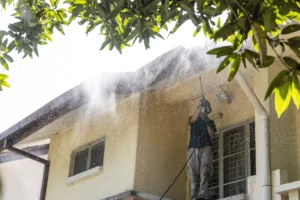
Gutter cleaning is a vital part of home maintenance, yet it’s often approached in ways that can negatively impact the environment. Traditional methods may rely on harsh chemicals, excessive water use, and improper waste disposal, all of which contribute to pollution and unnecessary resource consumption. Eco-friendly gutter cleaning offers a smarter alternative, one that protects your home while also preserving the natural environment.
By adopting sustainable techniques, homeowners can prevent structural damage, reduce maintenance costs, and minimize their ecological footprint. For safe and efficient upkeep, consider eco-friendly gutter cleaning services in Perth. This guide explores safe, practical, and environmentally responsible ways to keep your gutters clean and functional.

Why Eco-Friendly Gutter Cleaning Matters
Gutters are designed to channel rainwater away from your roof, siding, and foundation. When they become clogged with leaves, dirt, and debris, water overflows and can lead to serious issues such as:
- Roof leaks and wood rot
- Foundation cracks and basement flooding
- Soil erosion around your property
- Mold and mildew growth
While cleaning gutters solves these problems, using chemical-heavy or wasteful methods can introduce new risks to the environment.
Environmental Concerns with Traditional Cleaning
- Chemical cleaners can seep into soil and contaminate groundwater
- Debris washed into storm drains can pollute local waterways
- Disposable tools and plastic waste contribute to landfill buildup
- Excessive water use strains local water resources
Eco-friendly practices address these concerns by focusing on natural cleaning solutions, responsible disposal, and resource conservation.
Advanced Eco-Friendly Techniques for Modern Homes
As sustainability becomes a priority, homeowners are adopting advanced techniques that go beyond basic cleaning. These methods improve efficiency while reducing environmental impact even further.
Vacuum-Based Gutter Cleaning
Instead of washing debris away, vacuum systems remove it completely.
Benefits:
- Prevents debris from entering drains
- Reduces water usage to nearly zero
- Improves cleanliness and efficiency
Smart Gutter Monitoring Systems
Modern technology allows you to monitor gutter conditions without frequent manual checks.
Features include:
- Sensors that detect blockages
- Alerts for overflow risks
- Integration with smart home systems
These systems help reduce unnecessary cleaning and ensure timely maintenance.
Rainwater Harvesting Integration
Connecting gutters to rainwater harvesting systems is one of the most eco-friendly upgrades.
Advantages:
- Conserves water for gardening and household use
- Reduces reliance on municipal water
- Minimizes runoff and soil erosion
Environmental Impact of Neglected Gutters
Ignoring gutter maintenance doesn’t just harm your home, it affects the surrounding environment as well.
Key Environmental Risks:
- Water Pollution: Overflow carries dirt and contaminants into nearby water systems
- Soil Degradation: Continuous overflow damages soil structure
- Plant Damage: Excess water drowns roots and affects plant growth
- Pest Breeding Grounds: Stagnant water attracts mosquitoes and insects
Maintaining clean gutters using eco-friendly practices prevents these environmental issues.
Understanding Common Gutter Issues
| Issue | Cause | Impact | Eco-Friendly Fix |
| Blockages | Leaves and debris | Overflow and leaks | Manual cleaning |
| Algae growth | Moisture buildup | Structural damage | Vinegar solution |
| Pest nesting | Organic debris | Health hazards | Natural deterrents |
| Water overflow | Improper slope | Foundation damage | Regular inspection |
Understanding these problems helps homeowners adopt preventive and eco-conscious solutions.
Safe and Sustainable Gutter Cleaning Methods
1. Manual Cleaning: The Foundation of Eco Practices
Manual cleaning remains the most environmentally responsible method. It involves physically removing debris using simple tools without relying on chemicals or excessive water.
Steps to follow:
- Use reusable gloves to protect your hands
- Scoop out leaves and debris with a small tool
- Place waste into a bucket instead of letting it fall
- Dispose of debris properly or compost it
Why it’s effective:
- Eliminates the need for harmful chemicals
- Prevents debris from entering drainage systems
- Allows for close inspection of gutter condition
2. Minimizing Water Usage
Water is often overused during gutter cleaning, especially when using high-pressure hoses. Eco-friendly cleaning emphasizes controlled and minimal water use.
Best practices include:
- Removing debris first before rinsing
- Using a spray nozzle to control flow
- Rinsing only necessary sections
- Collecting runoff water for reuse in gardening
Reducing water usage not only conserves resources but also prevents unnecessary runoff pollution.
3. Natural Cleaning Solutions
When deeper cleaning is required, natural alternatives can replace harsh chemicals.
Effective eco-friendly options:
- Vinegar and water: Breaks down mold and mildew
- Baking soda paste: Removes stubborn grime
- Lemon juice: Helps eliminate odors and mild stains
These solutions are biodegradable, safe for plants, and do not introduce toxins into the environment.
Tools That Support Eco-Friendly Cleaning
| Tool | Purpose | Environmental Benefit |
| Hand scoop | Remove debris | No electricity required |
| Reusable gloves | Safety | Reduces waste |
| Bucket | Collect debris | Prevents ground pollution |
| Extendable pole | Reach gutters safely | Long-lasting tool |
| Rain barrel | Collect runoff | Promotes water reuse |
Investing in durable, reusable tools reduces waste and improves efficiency over time.
Protecting Landscaping During Gutter Cleaning
Your garden and landscaping are directly affected during gutter cleaning. Dropping debris or chemical runoff can damage plants and soil health.
Practical Tips:
- Lay tarps or sheets below gutters before cleaning
- Avoid stepping on delicate plants
- Do not rinse debris directly into garden beds
- Use gentle water flow to avoid soil erosion
Maintaining awareness during cleaning ensures your outdoor spaces remain healthy and undisturbed.
Composting Gutter Debris
One of the most sustainable practices is composting organic gutter waste. Most debris collected from gutters consists of biodegradable materials.
What You Can Compost:
- Dry leaves
- Small twigs
- Dirt and organic buildup
Benefits of Composting:
- Reduces landfill waste
- Enriches soil with nutrients
- Supports eco-friendly gardening
By turning waste into a resource, homeowners contribute to a circular and sustainable system.
Preventive Measures to Reduce Cleaning Needs
Install Gutter Guards
Gutter guards act as a barrier that prevents leaves and debris from entering the system.
Advantages:
- Reduces frequency of cleaning
- Minimizes water usage
- Improves overall gutter efficiency
Regular Inspections
Routine inspections help identify issues before they escalate.
Inspection checklist:
- Look for blockages or standing water
- Check for cracks or leaks
- Ensure proper alignment and slope
Tree Maintenance
Overhanging branches are a primary cause of clogged gutters.
Solution:
- Trim branches regularly
- Maintain a safe distance from your roof
- Remove dead or weak limbs
Preventive care significantly reduces maintenance efforts and environmental impact.
Seasonal Eco-Friendly Gutter Cleaning Tips
Different seasons require different approaches to gutter care.
Spring:
- Remove leftover winter debris
- Check for damage caused by cold weather
Summer:
- Inspect for pest activity
- Ensure proper water flow during storms
Autumn:
- Clean gutters frequently due to falling leaves
- Install guards if needed
Winter:
- Prevent ice buildup
- Avoid using salt-based deicers that harm soil
Adapting your cleaning routine to seasonal changes improves efficiency and sustainability.
Health and Safety Considerations
Eco-friendly cleaning also involves protecting yourself during the process.
Important safety measures:
- Use a stable ladder placed on even ground
- Wear gloves and eye protection
- Avoid working during rain or strong winds
- Have someone nearby for assistance
Safety ensures that your cleaning efforts are both effective and risk-free.
Cost Benefits of Eco-Friendly Gutter Cleaning
| Factor | Traditional Approach | Eco-Friendly Approach |
| Cleaning supplies | Expensive chemicals | Low-cost natural items |
| Water usage | High | Controlled |
| Waste disposal | Paid services | Composting |
| Maintenance frequency | Frequent | Reduced |
Eco-friendly methods not only protect the environment but also save money over time.
When to Consider Professional Help
While DIY cleaning is effective, some situations require professional assistance.
Consider hiring professionals if:
- Gutters are too high or difficult to access
- There is significant damage or blockage
- You lack proper tools or safety equipment
Look for companies that follow sustainable practices, such as using biodegradable products and responsible waste disposal methods.
Common Mistakes to Avoid
Avoiding these mistakes ensures better results and environmental safety:
- Using bleach or toxic chemicals
- Washing debris into storm drains
- Ignoring regular maintenance
- Overusing water unnecessarily
- Damaging plants during cleaning
Being mindful of these errors helps maintain both your home and the environment.
Frequently Asked Questions
What is eco-friendly gutter cleaning?
It involves cleaning gutters using natural methods, minimal water, and no harmful chemicals.
Can I clean gutters without chemicals?
Yes, manual cleaning and natural solutions like vinegar are effective and safe.
Is gutter debris safe for composting?
Most gutter debris like leaves and dirt is compostable and beneficial for soil.
How often should gutters be cleaned?
Typically twice a year, but frequency depends on surrounding vegetation.
Are eco-friendly methods cost-effective?
Yes, they reduce costs on chemicals, water usage, and waste disposal.
Conclusion
Eco-friendly gutter cleaning is a practical and responsible approach to maintaining your home. By using natural cleaning solutions, minimizing water usage, composting debris, and adopting preventive measures, homeowners can significantly reduce their environmental impact.
These sustainable practices not only protect your gutters and home structure but also contribute to a healthier ecosystem. Over time, eco-friendly methods prove to be more cost-effective, efficient, and aligned with modern environmental standards.
Whether you choose to clean your gutters yourself or hire professionals, prioritizing environmentally safe practices ensures long-term benefits for both your property and the planet.