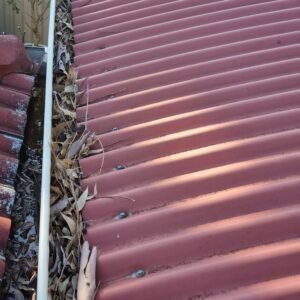
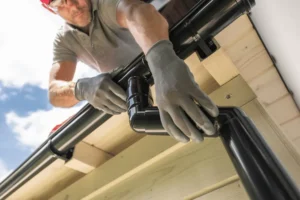
When homeowners think about gutters, they usually associate them with protecting the roof and foundation. However, what many people overlook is the direct and powerful impact gutters have on landscaping. From soil erosion to plant damage and water pooling, poorly designed or neglected gutter systems can quietly destroy your outdoor investment.
Your landscaping, whether it includes lush lawns, decorative flower beds, or carefully designed hardscapes, relies heavily on proper water management. Gutters play a crucial role in this system. When they fail, even small issues can escalate into costly repairs and long-term damage. For expert assistance, consider reliable gutter cleaning solutions to ensure your system works efficiently.
Understanding the connection between gutters and landscaping is essential not only for maintaining curb appeal but also for preserving the overall health and structure of your property.
Why Gutters Matter Beyond the Roof
Gutters are designed to collect rainwater from your roof and channel it safely away from your home. While their primary role is often seen as protecting siding and foundations, they also act as a key water control system for your yard.
When gutters function properly, they:
- Direct water away from delicate landscaping areas
- Prevent soil displacement
- Maintain balanced moisture levels in the ground
- Reduce pressure on plant roots
- Protect hardscape installations like patios and walkways
However, when gutters fail, due to clogs, improper installation, or damage, the water flow becomes uncontrolled. This leads to concentrated runoff that can overwhelm your landscaping.
How Poor Gutters Damage Landscaping
1. Soil Erosion and Nutrient Loss
One of the most common and destructive effects of faulty gutters is soil erosion. When rainwater is not properly directed, it falls heavily from roof edges and hits the ground with force.
This results in:
- Loosening of topsoil
- Washing away of essential nutrients
- Formation of trenches and uneven surfaces
Topsoil is the most fertile layer of soil, rich in organic matter and nutrients necessary for plant growth. Losing this layer can severely impact the health of your garden.
Over time, erosion can make your yard look uneven and patchy, while also exposing plant roots, making them vulnerable to damage and disease.
2. Water Pooling and Oversaturation
Improper drainage often leads to water pooling in certain areas of your yard. This is especially common when downspouts are too short or missing altogether.
Excess water in the soil can cause:
- Root rot in plants and shrubs
- Reduced oxygen availability in the soil
- Fungal growth and plant diseases
Plants need a balance of water and oxygen to thrive. When soil remains waterlogged, roots suffocate and begin to decay, leading to plant death.
In addition, standing water creates ideal conditions for pests such as mosquitoes, further affecting the usability of your outdoor space.
3. Mulch Displacement and Bed Damage
Mulch is an essential component of landscaping, helping to retain moisture, regulate soil temperature, and prevent weed growth. However, heavy and uncontrolled water flow can easily wash mulch away.
This leads to:
- Exposed soil and plant roots
- Increased weed growth
- Reduced moisture retention
Replacing mulch frequently can become an ongoing expense, and the visual appeal of your landscaping may suffer significantly.
4. Damage to Plants and Lawn Areas
When water spills over gutters or flows uncontrollably from roof edges, it can physically damage plants and grass.
Common issues include:
- Flattened or broken plants
- Soil compaction from heavy water impact
- Yellowing or patchy lawns due to overwatering
Grass, in particular, is sensitive to water imbalance. Too much water can suffocate roots, while uneven distribution leads to inconsistent growth patterns.
5. Hardscape and Structural Landscaping Damage
Landscaping often includes hardscape features such as:
- Walkways
- Patios
- Retaining walls
- Decorative stone installations
Uncontrolled water flow can weaken the base beneath these structures. Over time, this may result in:
- Cracks in concrete or paving stones
- Shifting or sinking surfaces
- Structural instability in retaining walls
Repairing hardscape damage is often more expensive than fixing gutter issues early on, making prevention critical.
Common Gutter Problems That Lead to Landscaping Issues
Understanding the root causes of gutter failure can help homeowners take preventive action.
| Gutter Problem | Effect on Landscaping |
| Clogged gutters | Causes overflow that erodes soil and damages plants |
| Broken or leaking gutters | Leads to uncontrolled water discharge |
| Improper slope | Prevents water from flowing toward downspouts |
| Short downspouts | Causes water to pool near plant beds |
| Missing extensions | Directs water too close to the home |
Each of these issues contributes to poor water management, which directly impacts landscaping health.
Warning Signs Your Gutters Are Affecting Your Yard
Many homeowners don’t immediately connect landscaping problems to gutter issues. However, there are clear signs that indicate a problem:
- Soil washing away after rainfall
- Water collecting near the foundation
- Plants dying without a clear cause
- Mulch disappearing after storms
- Visible channels or grooves in the yard
- Cracks appearing in walkways or patios
Recognizing these signs early can help prevent more severe damage and costly repairs.
How to Protect Landscaping from Gutter Damage
1. Install Proper Downspout Extensions
Downspouts should direct water at least 4 to 6 feet away from your home. This prevents water from accumulating near plant beds and foundations.
Extensions help:
- Reduce soil erosion
- Prevent water pooling
- Protect plant roots
2. Clean and Maintain Gutters Regularly
Routine maintenance is essential for keeping gutters functional.
Important steps include:
- Removing leaves and debris
- Checking for leaks or cracks
- Ensuring proper alignment and slope
Cleaning gutters at least twice a year, typically in spring and fall, can significantly reduce the risk of overflow.
3. Install Drainage Solutions
Additional drainage systems can improve water management.
Options include:
- Splash blocks
- French drains
- Underground drainage pipes
These systems help distribute water evenly and prevent concentrated runoff.
4. Use Gutter Guards
Gutter guards prevent debris from accumulating inside gutters, allowing water to flow freely.
Benefits include:
- Reduced maintenance frequency
- Improved drainage efficiency
- Lower risk of clogs and overflow
5. Improve Landscape Grading
Proper grading ensures that water naturally flows away from your home.
A well-graded yard:
- Minimizes pooling
- Supports healthy plant growth
- Enhances overall drainage efficiency
Landscaping Techniques to Reduce Water Damage
In addition to fixing gutters, you can strengthen your landscaping to handle water more effectively.
Consider the following:
- Use erosion-resistant plants with deep root systems
- Add gravel or stone in areas prone to heavy runoff
- Install borders around garden beds to contain soil and mulch
- Choose heavier mulch materials that are less likely to wash away
These techniques create a more resilient landscape that can withstand varying weather conditions.
Long-Term Impact of Ignoring Gutter Issues
Ignoring gutter-related problems can lead to significant long-term consequences.
These include:
- Continuous soil loss and degradation
- Increased maintenance costs
- Decline in plant health and garden aesthetics
- Structural damage to hardscape elements
- Reduced property value
What starts as a minor gutter issue can quickly escalate into a larger landscaping problem if left unaddressed.
Cost Comparison: Prevention vs Repair
| Type of Issue | Prevention Cost | Repair Cost |
| Gutter cleaning | Low | — |
| Downspout extension | Low | — |
| Soil erosion repair | — | Medium |
| Plant replacement | — | Medium |
| Hardscape repair | — | High |
Investing in proper gutter maintenance and drainage solutions is far more cost-effective than repairing damaged landscaping.
DIY vs Professional Gutter Solutions
Homeowners often wonder whether to handle gutter maintenance themselves or hire professionals.
| Option | Advantages | Disadvantages |
| DIY Maintenance | Lower cost, immediate action | Time-consuming, safety risks |
| Professional Service | Thorough inspection, expert solutions | Higher upfront cost |
For complex drainage issues or extensive damage, professional assistance is often the better choice.
Frequently Asked Questions
Can clogged gutters damage landscaping?
Yes, clogged gutters cause overflow that can erode soil and damage plants. Regular cleaning prevents this issue.
How far should downspouts extend from the house?
Downspouts should extend at least 4–6 feet away to prevent water pooling near landscaping and foundations.
Can gutters cause soil erosion?
Yes, uncontrolled water flow from gutters can wash away topsoil and nutrients, leading to erosion.
What are signs of gutter-related yard damage?
Signs include soil displacement, dying plants, mulch loss, and water pooling near the home.
How can I prevent landscaping damage from rainwater?
Maintain gutters, install extensions, and ensure proper yard grading to control water flow effectively.
Conclusion
The connection between gutters and landscaping damage is often underestimated, yet it plays a critical role in maintaining the health and appearance of your outdoor space. Gutters are not just a roofing component, they are a vital part of your home’s overall water management system.
When gutters fail, the effects ripple outward, impacting soil stability, plant health, and even structural landscaping features. Issues like erosion, water pooling, and mulch displacement may seem minor at first but can quickly develop into costly and time-consuming problems. To avoid these issues, consider expert gutter cleaning in Perth for proper maintenance and care.
By taking a proactive approach, maintaining gutters, installing proper drainage systems, and reinforcing landscaping, you can protect your property and ensure your outdoor space remains both functional and visually appealing.
Ultimately, a well-maintained gutter system is an investment not only in your home but also in the longevity and beauty of your landscape.