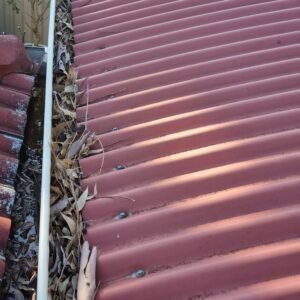
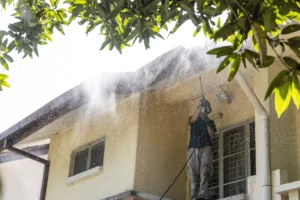
Gutters are one of the most overlooked yet essential components of a home’s exterior system. Their primary function is to channel rainwater away from your roof, walls, and foundation, preventing water intrusion and long-term structural damage. However, gutters only perform efficiently when they are properly maintained throughout the year. For professional help, consider professional gutter cleaning services to keep your system in top condition.
A well-planned seasonal gutter maintenance routine ensures that your system remains free-flowing, structurally sound, and capable of handling varying weather conditions. From heavy rainfall in spring to falling leaves in autumn and freezing temperatures in winter, each season presents unique challenges that require specific attention.
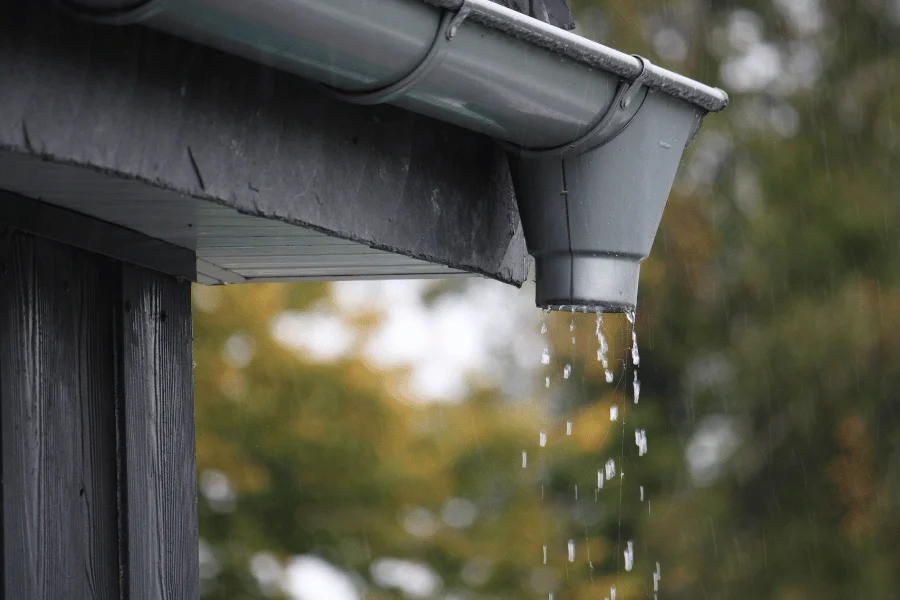
Why Seasonal Gutter Maintenance Is Essential
Neglecting gutter maintenance can result in a range of serious issues that extend far beyond simple clogging. Water that is not properly diverted can seep into vulnerable areas of your home and compromise its integrity.
Key Benefits of Regular Gutter Maintenance
- Prevents water damage to roofs, ceilings, and walls
- Protects the foundation from erosion and cracks
- Reduces the risk of mold and mildew growth
- Prevents pest infestations such as mosquitoes and rodents
- Extends the lifespan of your gutter system
Important Insight
Even a small blockage can cause water to overflow, leading to hidden damage that may go unnoticed until it becomes a costly problem. Regular maintenance helps identify these issues early.
Seasonal Gutter Maintenance Overview
| Season | Primary Focus | Key Risks if Ignored |
| Spring | Cleaning & inspection | Overflow, mold growth |
| Summer | Repairs & alignment | Structural damage |
| Fall | Leaf removal & protection | Severe clogging |
| Winter | Ice prevention | Ice dams, roof leaks |
Spring Gutter Maintenance Checklist
Spring is the ideal time to inspect your gutters after the harsh winter months. Snow, ice, and debris accumulation can weaken your system and create hidden damage.
Key Tasks to Perform
- Remove leaves, twigs, and accumulated debris
- Flush gutters with water to ensure proper flow
- Inspect for cracks, rust, or corrosion
- Check for loose or sagging sections
- Clear downspouts and ensure water flows away from the foundation
Detailed Explanation
Spring cleaning is not just about removing visible debris. It is also about assessing the overall condition of the system. Look for signs such as peeling paint, rust spots, or water stains along the fascia, which may indicate leaks or improper drainage.
Additional Tips
- Use a garden hose to test water flow
- Check for standing water, which indicates improper slope
- Ensure downspouts extend at least 3–5 feet away from your home
Spring maintenance prepares your gutters for heavy seasonal rains and helps prevent overflow that could damage landscaping and siding.
Signs Your Gutters Need Immediate Attention
Even with a proper seasonal checklist, there are warning signs that indicate your gutters require urgent maintenance or repair. Identifying these issues early can prevent significant structural damage and costly repairs.
Common Warning Signs to Watch For
- Water spilling over the sides
This is one of the most obvious signs of clogged gutters. Overflow indicates that water cannot flow properly through the system. - Sagging or pulling away from the roof
Gutters that appear loose or uneven are often weighed down by debris or standing water, which can weaken brackets and fasteners. - Visible cracks or splits
Even small cracks can grow over time and lead to leaks that damage fascia boards and siding. - Peeling paint or rust spots
These are early indicators of moisture retention and possible leaks within the system. - Water pooling around the foundation
If water collects near your home after rainfall, your gutters may not be directing water far enough away. - Presence of plants or pests in gutters
Growing vegetation or insects suggests long-term neglect and accumulated organic material.
Why Immediate Action Is Important
Ignoring these warning signs can lead to:
- Foundation damage and basement flooding
- Roof leaks and interior water stains
- Mold and mildew growth
- Structural weakening of gutter systems
Quick Action Steps
- Clean and flush gutters immediately
- Tighten or replace loose components
- Seal visible cracks and leaks
- Call a professional if damage is severe
Expert Tip
If you notice recurring problems even after cleaning, it may indicate a design issue such as improper slope or insufficient drainage capacity. In such cases, a professional assessment is recommended.
Summer Gutter Maintenance Checklist
Summer provides the best weather conditions for repairs and upgrades. Dry conditions make it easier to work on gutters and address any structural issues identified during spring inspections.
Essential Tasks
- Repair leaks and seal joints
- Tighten brackets, hangers, and fasteners
- Adjust gutter slope for proper drainage
- Replace damaged sections if necessary
- Trim overhanging tree branches
Why Summer Maintenance Matters
Heat can cause gutter materials to expand, potentially worsening existing cracks or weak joints. Addressing these issues during summer ensures your system remains stable and efficient.
Preventative Measures
- Install gutter guards to reduce debris accumulation
- Inspect roof edges for shingle damage
- Ensure proper alignment to avoid water pooling
Expert Insight
A properly sloped gutter should allow water to flow smoothly toward downspouts without pooling. Even minor misalignment can reduce efficiency significantly.
Fall Gutter Maintenance Checklist
Fall is the most critical season for gutter maintenance due to the constant accumulation of leaves and organic debris.
Key Tasks to Follow
- Clean gutters frequently, especially during peak leaf fall
- Remove wet leaves and debris that can cause blockages
- Flush the system after cleaning
- Inspect downspouts for obstructions
- Install leaf guards or screens
Detailed Cleaning Strategy
Leaves can quickly accumulate and create dense blockages, especially when mixed with moisture. These blockages restrict water flow and increase the weight on your gutters, leading to sagging or detachment.
Additional Recommendations
- Schedule at least two cleanings during fall
- Pay special attention to corners and joints
- Use proper tools like gutter scoops for efficiency
Why Fall Maintenance Is Critical
Failing to clean gutters in fall often leads to severe winter problems. Debris left behind can freeze, forming solid blockages that contribute to ice dam formation.
Winter Gutter Maintenance Checklist
Winter presents unique challenges due to freezing temperatures and snow accumulation. The primary goal during this season is to prevent ice-related damage.
Key Tasks to Perform
- Clear all debris before temperatures drop
- Monitor for signs of ice dams
- Remove snow buildup near gutters
- Check attic insulation and ventilation
- Watch for icicle formation
Understanding Ice Dams
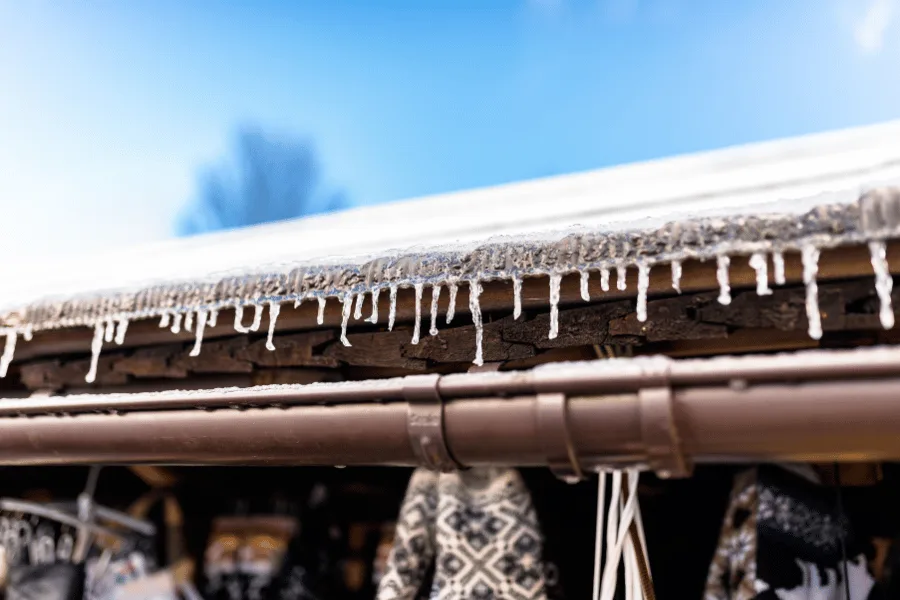
Ice dams form when warm air from the attic melts snow on the roof. The melted water flows down and refreezes at the colder edges near the gutters, creating a blockage that prevents proper drainage.
Prevention Tips
- Maintain proper attic insulation
- Ensure consistent roof temperature
- Use safe tools to remove excess ice
- Avoid using sharp objects that may damage gutters
Risks of Ignoring Winter Maintenance
Ice dams can cause water to back up under shingles, leading to leaks, interior damage, and mold growth.
Common Gutter Problems and Solutions
| Problem | Cause | Solution |
| Clogged gutters | Leaves and debris | Regular cleaning |
| Sagging gutters | Loose brackets | Tighten or replace supports |
| Leaking joints | Cracks or separation | Apply sealant or replace sections |
| Ice dams | Poor insulation | Improve ventilation |
Best Practices for Year-Round Gutter Care
Maintaining gutters is not just a seasonal task, it requires consistent attention throughout the year.
Recommended Practices
- Clean gutters at least twice annually
- Inspect after major storms
- Install high-quality gutter guards
- Keep nearby trees trimmed
- Ensure proper drainage slope
Safety Tips
- Always use a stable ladder
- Wear protective gloves
- Avoid working during bad weather
- Consider hiring professionals for multi-story homes
DIY vs Professional Gutter Maintenance
DIY Maintenance
DIY gutter cleaning is suitable for homeowners who are comfortable working at heights and handling basic tools.
Advantages:
- Cost-effective
- Immediate action
- Simple tasks manageable
Limitations:
- Safety risks
- Limited inspection capability
- Not ideal for complex repairs
Professional Maintenance
Hiring professionals ensures a thorough inspection and proper handling of repairs.
Advantages:
- Expertise and experience
- Advanced equipment
- Safer and more efficient
When to Hire Professionals:
- Multi-story homes
- Severe damage
- Persistent drainage issues
Additional Pro Tips for Long-Term Performance
- Install downspout extensions to direct water further away
- Use splash blocks to prevent soil erosion
- Check fascia boards for signs of rot
- Avoid planting trees too close to the roofline
- Schedule annual inspections for peace of mind
Frequently Asked Question
How often should gutters be cleaned?
Gutters should be cleaned at least twice a year, typically during spring and fall.
What happens if gutters are not maintained?
Neglected gutters can lead to water damage, mold growth, roof leaks, and foundation issues.
Are gutter guards worth installing?
Yes, gutter guards reduce debris buildup and decrease cleaning frequency.
Can I clean gutters myself?
Yes, but ensure proper safety measures and tools are used.
What are ice dams?
Ice dams are frozen blockages that prevent proper drainage and cause water backup.
Conclusion
Seasonal gutter maintenance is a crucial part of home care that should never be overlooked, especially when relying on professional services like Gutter Cleaning Perth to keep your system in top condition. Each season brings its own set of challenges, and addressing them proactively ensures that your gutter system remains efficient and durable throughout the year.
By following a structured maintenance checklist, homeowners can prevent water damage, avoid costly repairs, and extend the lifespan of their gutters. Consistency, attention to detail, and timely action are the keys to keeping your home protected in all weather conditions.